
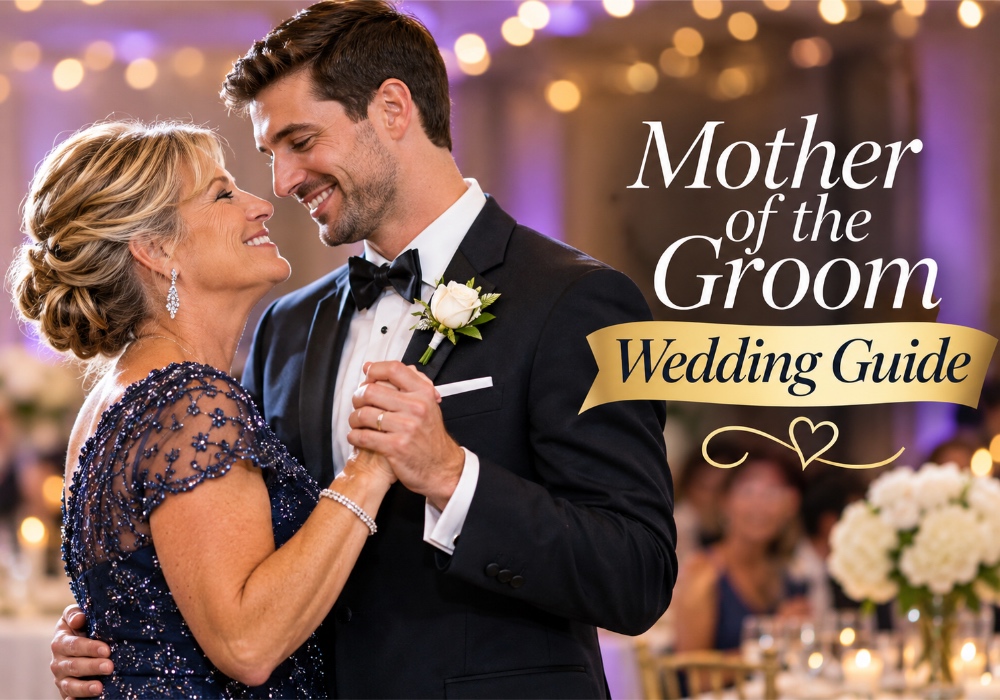
Mother of the Groom: 15 Important Things Every Mother Should Know Before the Wedding
This Mother of the Groom Wedding Guide covers everything you should know, including traditional responsibilities, wedding etiquette, what to wear, financial expectations, reception duties, and how to make the most of your son’s wedding day.
The wedding day is one of the most meaningful milestones in a family’s life. While much of the attention naturally focuses on the bride and groom, the mother of the groom also plays an important role in making the celebration special. From helping with wedding preparations to sharing memorable moments on the dance floor, there are plenty of ways to be involved.
Whether this is your first time helping plan a wedding or you’re looking for a little guidance, understanding your role can help make the experience enjoyable for everyone.
Mother of the Groom Wedding Guide
1. What is the main role of the mother of the groom?
The mother of the groom traditionally helps with family communication, attends wedding-related events, assists with guest arrangements when requested, and supports her son throughout the wedding planning process. Her responsibilities may vary depending on the couple’s preferences and family traditions.
One of the most important things to remember is that every wedding is different. Some couples want their families heavily involved in the planning process, while others prefer to handle most of the details themselves.
Traditionally, the mother of the groom supports her son and his future spouse while respecting the couple’s decisions. You may be asked to help with family arrangements, communicate with relatives, attend planning events, or assist with specific wedding-day details.
The key is to offer help without taking control.
Here are a few ways you can be involved:
- Offer assistance with wedding planning when requested.
- Help gather contact information for family members.
- Assist with organizing relatives for photographs.
- Communicate important details to the groom’s side of the family.
- Attend wedding-related celebrations.
- Help welcome guests at the reception.
- Be available to support your son throughout the process.
Most importantly, remember that this is the couple’s wedding. Your support and encouragement can make the experience much easier for everyone.
2. What Are the Traditional Responsibilities of the Mother of the Groom?
The responsibilities of the mother of the groom can vary depending on family traditions, cultural expectations, and the couple’s preferences.
Some families follow traditional wedding customs, while others divide responsibilities more casually.
Here are some common ways mothers of the groom participate.
Help with the guest list: You may be asked to provide names and contact information for relatives and family friends who should receive invitations.
Assist with family communication: Keeping relatives informed about wedding details, accommodations, rehearsal information, and transportation can be helpful.
Attend wedding events: Depending on the couple’s plans, you may attend engagement parties, bridal showers, the rehearsal dinner, and other celebrations.
Help coordinate family photographs: Knowing which relatives need to be included in formal photographs can save time on the wedding day.
Welcome guests: Greeting relatives and friends at the reception helps create a warm and welcoming atmosphere.
Support the groom: Wedding planning can be stressful. Sometimes the most important responsibility is simply being there to listen and offer encouragement.
Remember that these are traditional opportunities to help, not obligations that every mother must fulfill.
3. What Does the Mother of the Groom Traditionally Pay For?
One of the most common questions surrounding wedding etiquette is who pays for what.
Traditionally, the groom’s family has been associated with certain wedding expenses. However, modern weddings rarely follow one universal financial arrangement.
Depending on the couple’s preferences and family circumstances, the groom’s family may contribute toward:
- The rehearsal dinner.
- The groom’s wedding attire.
- Certain transportation expenses.
- Marriage license fees.
- Accommodations for family members, depending on the arrangement.
- Other expenses agreed upon with the couple.
In some families, both sets of parents contribute toward the overall wedding budget. In others, the couple pays for the majority of the celebration.
The best approach is to have an honest conversation early in the planning process.
If you are considering contributing financially, establish a comfortable budget and make it clear what you are willing to help cover. A financial contribution should not automatically come with expectations about the guest list, venue, music, decorations, or other wedding decisions.
A wedding is a celebration, not a financial obligation that should create tension between families.
4. What Should the Mother of the Groom Wear?
Choosing an outfit is one of the most exciting parts of preparing for your son’s wedding.
The mother of the groom should choose something that makes her feel confident, comfortable, and appropriately dressed for the occasion.
Before shopping, consider the following:
Coordinate with the mother of the bride. Traditionally, the mother of the bride selects her outfit first and shares the color and general style with the mother of the groom. This helps both outfits complement each other without looking identical.
Consider the wedding colors. Your outfit should coordinate with the overall wedding palette. You don’t necessarily need to match the bridesmaids, but choosing complementary colors can look beautiful in photographs.
Consider the venue and season. A formal ballroom wedding may call for an elegant gown, while an outdoor summer wedding may be better suited to a lighter dress.
Choose something comfortable. Remember that you will likely be sitting, standing, greeting guests, taking photographs, and dancing throughout the day.
Avoid wearing white unless invited to do so. White is traditionally reserved for the bride. It is also generally best to avoid anything that might compete with the bride’s wedding attire.
Some popular mother-of-the-groom outfit choices include elegant evening gowns, formal cocktail dresses, dressy pantsuits, and sophisticated two-piece outfits.
Ultimately, choose an outfit that fits the formality of the wedding and makes you feel good.
5. Mother of the Groom Wedding Etiquette
Wedding etiquette is especially important when two families come together to celebrate a marriage.
While traditions can vary, a little consideration can go a long way toward making everyone feel comfortable.
Here are some important etiquette guidelines:
Respect the couple’s decisions. The bride and groom should have the final say in their wedding plans.
Avoid comparing the wedding to other celebrations. Every couple has different priorities, budgets, and ideas.
Be considerate of the bride’s family. Make an effort to build a positive relationship with the other family.
Communicate rather than assume. If you’re unsure about your responsibilities, ask the couple.
Avoid unnecessary criticism. Wedding planning can be stressful enough without additional pressure from family members.
Don’t overstep your role. Offering advice is helpful when requested, but making decisions without consulting the couple can create unnecessary conflict.
Be welcoming to the bride. This is an important new chapter for your family. Making her feel included and appreciated can help establish a wonderful relationship moving forward.
A little patience, flexibility, and understanding can make a tremendous difference.
6. Should the Mother of the Groom Attend the Bridal Shower?
This is another question that comes up frequently.
Traditionally, the bridal shower was hosted by members of the bride’s family or friends, and the mother of the groom was not always included.
Today, wedding traditions have become much more flexible.
If you receive an invitation, it is perfectly appropriate to attend. In fact, attending can be a wonderful opportunity to get to know the bride’s family and friends.
If you are not invited, don’t take it personally. The couple may be planning a smaller gathering or following a particular family tradition.
You may also be invited to help with certain arrangements, depending on your relationship with the bride and the people hosting the shower.
The most important thing is to respect the couple’s plans and enjoy the opportunity to celebrate.
7. What Should the Mother of the Groom Do on the Wedding Day?
The wedding day can move quickly, and having a general idea of what to expect can make the experience much more enjoyable.
Your responsibilities may include:
- Helping your son get ready if needed.
- Attending the ceremony and following the seating arrangements.
- Greeting relatives and guests.
- Participating in family photographs.
- Attending the cocktail hour and reception.
- Being available for any family-related questions.
- Participating in the mother-son dance.
- Enjoying the celebration!
You don’t need to spend the entire day managing details. The couple should have a wedding planner, coordinator, or designated family members handling the logistics.
Your job is to be present, enjoy the celebration, and make memories with your family.
8. Where Does the Mother of the Groom Sit During the Ceremony?
Ceremony seating traditions can vary depending on the type of wedding and the couple’s preferences.
At a traditional Christian wedding ceremony, the groom’s family is generally seated on the right side of the ceremony space when facing the altar, while the bride’s family sits on the left.
The mother of the groom is typically seated in the front row.
In some ceremonies, the groom may escort his mother down the aisle before taking his place at the altar. In other situations, she may be escorted by another family member or seated before the processional begins.
For Jewish weddings, blended-family arrangements, and other cultural or religious ceremonies, seating traditions may differ.
If you are unsure, check with the wedding coordinator or the couple before the ceremony.
9. The Mother-Son Dance: A Special Wedding Reception Moment
For many mothers, one of the most emotional moments of the reception is the mother-son dance.
After watching your son grow up, seeing him begin a new chapter of his life can be an incredibly meaningful experience.
The mother-son dance is traditionally performed during the wedding reception, often after the bride and groom’s first dance. However, the couple can schedule it wherever it fits best within their reception timeline.
Choosing the right song is an important part of making this moment personal.
Some popular mother-son dance songs include:
- “A Song for Mama” – Boyz II Men
- “Simple Man” – Lynyrd Skynyrd
- “My Wish” – Rascal Flatts
- “The Perfect Fan” – Backstreet Boys
- “You’ll Be in My Heart” – Phil Collins
- “Forever Young” – Rod Stewart
- “I Hope You Dance” – Lee Ann Womack
- “93 Million Miles” – Jason Mraz
You don’t have to choose a traditional sentimental ballad. If you and your son share a favorite artist or song, that may be a much more meaningful choice.
It’s also perfectly fine to choose something upbeat and have fun with the dance.
If you’re looking for more inspiration, check out our guide to Mother and Son Wedding Dance Songs for additional song ideas.
A tip for the mother of the groom: If you’re uncomfortable dancing in front of a crowd, talk with your son and DJ ahead of time. You can choose a shorter song edit or invite other family members to join you partway through the dance.
A professional wedding DJ can also help coordinate the timing, introduce the dance, and make sure the moment flows naturally into the rest of the reception.
10. Should the Mother of the Groom Give a Speech?
A speech from the mother of the groom is not required, but it can be a wonderful addition to the wedding celebration.
Some mothers choose to speak during the rehearsal dinner, while others share a few words during the wedding reception.
If you decide to give a speech, keep it personal and sincere.
Consider including:
- A favorite childhood memory of your son.
- A few words about the person he has become.
- What you admire about his new spouse.
- A welcoming message to the bride or groom’s new family.
- A wish for the couple’s future together.
You don’t need to deliver a long speech. Two to four minutes is usually enough to share a meaningful message.
Try to avoid embarrassing childhood stories, inside jokes that guests won’t understand, or anything that could make the bride or groom uncomfortable.
Most importantly, speak from the heart.
11. How Can the Mother of the Groom Build a Positive Relationship With the Bride?
A wedding brings two families together, and the relationship between the mother of the groom and the bride can have a lasting impact.
The best way to build a positive relationship is to start with respect and open communication.
Here are a few suggestions:
Make her feel welcome. Let her know that you are happy she is becoming part of your family.
Get to know her interests. Spend time together outside of wedding planning when possible.
Offer help without pressure. Let her know you’re available if she needs anything, but allow her to decide when she wants assistance.
Respect her relationship with your son. Their marriage is a new chapter, and they need the freedom to establish their own traditions.
Be supportive of her family. Remember that this is an important occasion for her parents and relatives, too.
A wedding is just one day, but the relationships built around it can last a lifetime.
12. What If the Groom’s Parents Are Divorced?
When the groom’s parents are divorced or remarried, wedding arrangements may require additional consideration.
The couple may need to think about seating, photographs, introductions, and other family traditions.
The best approach is to communicate with the couple ahead of time and avoid putting them in the middle of disagreements.
Some helpful suggestions include:
- Discuss ceremony seating arrangements in advance.
- Be flexible with family photographs.
- Avoid arguments or uncomfortable conversations during the celebration.
- Respect the couple’s decisions about introductions and special dances.
- Be courteous to former spouses and extended family members.
If there are difficult family dynamics, the couple may want to create a wedding-day plan that makes everyone feel comfortable.
Remember, the focus should remain on celebrating the marriage rather than revisiting old disagreements.
13. What Are Some Ways to Make Your Son’s Wedding Day Special?
Beyond traditional responsibilities, there are many small ways to make the wedding day more meaningful.
Consider writing your son a personal letter that he can read before the ceremony. Share a favorite memory, tell him how proud you are, and offer a few words of encouragement as he begins married life.
You might also:
- Give him a meaningful family keepsake.
- Arrange a special photograph with close relatives.
- Help preserve family wedding traditions.
- Spend a few quiet moments together before the ceremony.
- Create a small wedding-day gift.
- Make time to enjoy the reception together.
These gestures don’t have to be expensive or elaborate. Often, the simplest moments become the most treasured memories.
14. Mother of the Groom Wedding Day Checklist
With so many things happening during a wedding, having a simple checklist can help you feel prepared.
Here are a few things to take care of before the big day:
Before the wedding:
- Confirm your wedding attire.
- Coordinate with the mother of the bride.
- Review the ceremony and reception schedule.
- Confirm rehearsal dinner details.
- Choose a song for the mother-son dance.
- Prepare any speech or special message.
- Confirm transportation and accommodations.
On the wedding day:
- Bring your phone and keep it charged.
- Have tissues available.
- Bring any necessary medications and personal items.
- Arrive at the designated time.
- Participate in family photographs.
- Follow the wedding coordinator’s instructions.
- Make time to enjoy the celebration.
Most importantly, don’t put so much pressure on yourself to make everything perfect that you forget to enjoy the day.
15. Enjoy This Special Milestone
Your son’s wedding is an important milestone, not just for him and his new spouse, but for your entire family.
You’ve watched him grow, supported him through different stages of life, and helped shape the person he has become.
Now you have the opportunity to celebrate the beginning of a new chapter.
Whether you’re helping with wedding preparations, welcoming the bride into your family, sharing a special dance, or simply enjoying the reception, your presence matters.
Don’t worry about doing everything perfectly. Be supportive, respect the couple’s wishes, and take time to appreciate the moments you’ll remember for years to come.
After all, this is a celebration of family, love, and the beginning of something wonderful.
Mother of the Groom Wedding Guide
Frequently Asked Questions
What does the mother of the groom traditionally pay for?
Traditionally, the groom’s family may contribute toward the rehearsal dinner, the groom’s attire, and certain wedding-related expenses. However, modern couples often divide wedding costs differently, so financial responsibilities should be discussed with both families.
What color should the mother of the groom wear?
The mother of the groom should choose an outfit that complements the wedding colors and formality. It is customary to coordinate with the mother of the bride and avoid wearing white unless the couple specifically requests it.
Does the mother of the groom walk down the aisle?
In many traditional Christian wedding ceremonies, the groom’s mother is escorted down the aisle before the wedding processional begins. Her escort may be the groom, another family member, or a designated wedding attendant.
Does the mother of the groom attend the bridal shower?
Yes, the mother of the groom may attend the bridal shower if invited. Modern wedding traditions are flexible, and attending can be a wonderful opportunity to spend time with the bride and her family.
When does the mother-son dance take place at a wedding?
The mother-son dance typically takes place during the wedding reception, often after the bride and groom’s first dance. However, the couple can schedule it at whatever point works best with their reception timeline.
Mother of The Groom Wedding Guide
What is a good song for the mother-son wedding dance?
Popular choices include “A Song for Mama” by Boyz II Men, “Simple Man” by Lynyrd Skynyrd, “My Wish” by Rascal Flatts, and “You’ll Be in My Heart” by Phil Collins. The best choice is a song that has personal meaning for the mother and her son.
Should the mother of the groom give a wedding speech?
A wedding speech from the mother of the groom is optional. Some mothers give a short speech during the rehearsal dinner, while others share a few meaningful words during the reception. A personal message welcoming the bride and celebrating the couple is always appropriate.
Where does the mother of the groom sit during the wedding ceremony?
At many traditional Christian weddings, the groom’s mother sits in the front row on the groom’s side of the ceremony space. Seating arrangements may differ depending on religious customs, family circumstances, and the couple’s preferences.
What should the mother of the groom do on the wedding day?
The mother of the groom should arrive on time, participate in family photographs, welcome relatives, enjoy the ceremony and reception, and participate in any planned traditions such as the mother-son dance. Most importantly, she should support the couple and enjoy the celebration.
Mother of the Groom Wedding Guide
Looking for more wedding planning inspiration?
Explore some of our most popular guides for wedding planning.
Tips and Inspiration For The Mother of The Groom, Mother of The Groom Wedding Guide, The Ultimate Wedding Planning Guide, The Ultimate Wedding and Event “To-Do” List, Michigan Wedding Venues, Wedding Planning Tips and Checklist, Wedding Timeline Guide, Wedding Budget Breakdown
Mother of the Groom Wedding Guide
Indoor and Outdoor Weddings





Leave a Reply